Inside “Buy for Me” and the Retail Ad Revolution
Amazon’s ever-expanding toolbox now even wants to help fill your cart for you. With features like “Buy for Me” and a booming ad business, the retail giant is blurring lines between shopping, social media, and advertising.
The Rise of “Buy for Me” – Amazon’s Social Shopping Twist
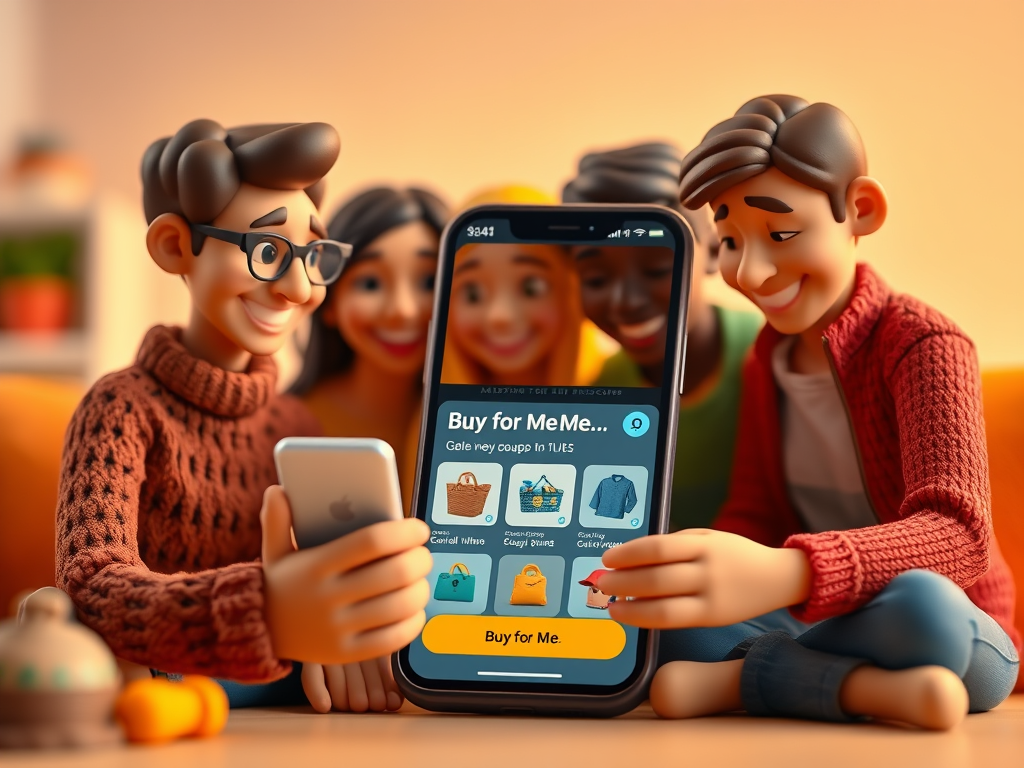
In April 2025, Amazon rolled out a new “Buy for Me” feature in its shopping app – and no, it’s not Jeff Bezos offering to pick up your tab (I wish). This tool essentially lets you involve others in your purchase decisions, adding a social, collaborative twist to online shopping. Users can invite a friend, family member, or influencer to buy an item on their behalf or recommend products, all within the Amazon app’s ecosystem.
So how does it actually work? Let’s say your cousin is in the U.S. and you’re in Denmark, and your grandma’s birthday is coming up. You want to send her something but aren’t sure what she’d like. With “Buy for Me,” you can share an item with your cousin directly through Amazon and ask them to purchase it, suggest an alternative, or even complete the purchase on your behalf with their own payment and address. Amazon sends them a notification, and they can choose to go ahead with the order or tweak it. You’re basically outsourcing the final decision—and sometimes the payment too—without leaving the app.
Another example: Let’s say you’re shopping for skincare but feel totally lost. You can now ping a friend who’s the local skincare expert and ask them to jump in. They can pick the best product from your list or send you something even better—all through the same feature. It’s like texting a friend for advice, but Amazon has built the whole experience into the app.
Amazon is trying to make online shopping feel more like real life—where you get second opinions, bounce ideas off your crew, and make smarter choices with a little help. It’s not just about you and your cart anymore—it’s about you and your people shopping together.
Instead of shoppers drifting off to TikTok or Instagram for inspiration, Amazon wants them to scroll and discover right on its platform. The intent is clear: make shopping on Amazon feel less like a solo errand and more like a group chat.
From a seller’s perspective, Buy for Me might sound a tad whimsical, but its implications are real. If product recommendations can go viral among friend groups or via influencers directly in the Amazon app, listing visibility could get a boost in new ways that have nothing to do with traditional search rankings.
Amazon’s Retail Ad Services Are Printing Money (For Amazon, At Least)
If “Buy for Me” is Amazon’s way of being your shopping BFF, Amazon’s advertising arm is the cash register ringing in the background. Over the past year, Amazon’s Retail Ad Services have been growing at breakneck speed. The company’s ad revenue shot up faster than a Lightning Deal sell-out.
In fact, Amazon’s advertising division pulled in roughly $38 billion in 2022 and surged well beyond that in 2024. By late 2024, Amazon was regularly logging over $10 billion per quarter in ad sales – a chunky piece of the pie that has analysts calling Amazon the third-biggest digital ads player after Google and Facebook.
What Exactly Are Retail Ad Services?
Retail Ad Services is Amazon’s latest strategic move to expand its advertising empire outside the walls of its own marketplace. It allows external e-commerce retailers—think Shopify stores or DTC brands—to advertise on Amazon’s platform, directing traffic away from Amazon to the advertiser’s own website.
In other words: you’re browsing Amazon, and you see an ad for a skincare brand that’s not sold on Amazon. You click, and you’re taken to that brand’s own site to buy. Amazon doesn’t make the sale, but they do make money from the ad click. This approach mimics the models used by Google and Meta, but backed by Amazon’s unique shopper intent data.
These ads typically run through Sponsored Display or Amazon’s Demand-Side Platform (DSP), and advertisers can target audiences using Amazon’s powerful first-party shopper data. Crucially, this program is not limited to Amazon sellers—any online business with a webshop can participate. It’s Amazon’s way of saying: “Sure, you don’t sell here—but we’ll still sell your ads.”
But How Does It Work If You’re Not an Amazon Seller?
If you’re not selling anything on Amazon, don’t worry—Retail Ad Services is still open to you. Here’s how:
- Yes, you still need an Amazon Ads account, but you’re not using it to upload ASINs or manage product listings. Instead, you set up ad campaigns that link directly to your own ecommerce website (e.g., your Shopify store).
- You don’t need ASINs because you’re not driving traffic to Amazon listings. Instead, you specify URLs for your external product or landing pages.
- Campaigns are run using Amazon DSP or Sponsored Display, depending on your goals and budget. You build creative banners or video ads, and Amazon displays them on its site, in the app, or across its partner network.
- You still get to use Amazon’s targeting superpowers, like interest-based targeting, behavioral segments, or retargeting based on what customers browsed or bought previously on Amazon.
It’s kind of like using Google Ads or Meta Ads—only now you’re tapping into Amazon’s incredibly rich shopper data. And that’s what makes this offering so compelling for ecommerce brands that want visibility without actually selling on Amazon.
And What About Native Commerce Ads?
On top of this, Amazon’s Retail Ad Services also includes its new native commerce ad offering, which allows publishers and creators to embed shoppable Amazon ads within their own websites and content. This turns blogs, articles, and videos into highly targeted retail ad zones. Think of a blog post listing the top 10 travel gadgets—with integrated Amazon “Buy Now” buttons that look like part of the article. That’s native commerce in action.
These aren’t just banner ads slapped on a sidebar—they’re contextual, often dynamically placed to match the surrounding content and appeal to the reader’s intent. For example, a tech website reviewing “Best Laptops for College Students” might automatically include Amazon ads showcasing top-rated Chromebooks or accessories—complete with prices and star ratings. And yes, it’s all tracked through Amazon’s affiliate tech, so publishers earn a slice of the pie, too.
This model benefits everyone: readers get helpful recommendations, creators monetize their content, and Amazon captures more purchase intent from across the web. It also lets advertisers reach shoppers even earlier in the discovery funnel, well before they even visit Amazon.com.
These two prongs—off-Amazon advertising for external brands and native commerce ads for external publishers—make up the foundation of Amazon’s Retail Ad Services.
The result? A commerce-driven advertising ecosystem that doesn’t wait for a shopper to search—it finds them first. Amazon is quietly monetizing more of the internet, while offering brands access to shopper data and advertising tools without ever requiring a product to be listed on Amazon.
Discovery-Led Shopping: Amazon’s Vision for 2025 and Beyond
What do “Buy for Me” and booming retail ads have in common? They’re both pieces of Amazon’s master plan to embed itself into discovery-led shopping. Traditionally, Amazon was the place you searched when you knew what you wanted. But the future of e-commerce is looking a lot more like an endless scroll.
Amazon clearly doesn’t want to be left out of that game. By 2024, Amazon was reportedly shelling out record affiliate commissions and bonuses to top creators, ensuring that the coolest product recommendations happen on platforms that lead back to Amazon.
In 2025, that momentum has only accelerated. Amazon is now leaning hard into AI-powered discovery tools, hinting at where shopping might be headed next. One standout is a feature called Amazon Interests, where users describe what they’re looking for in everyday language—like “I want to start running” or “looking for a birthday gift for my dad”—and Amazon’s AI curates ideas and notifications accordingly. It’s like creating a shopping vision board powered by machine learning.
Another key addition is Rufus, Amazon’s in-app AI assistant that answers customer questions, explains product differences, and generates on-the-fly shopping guides. Think of it as ChatGPT meets a product expert—always available in your pocket. These features make Amazon not just a destination for buying, but a place where browsing and learning happens too.
For sellers, Amazon’s discovery-led strategy means you should be everywhere the customer might find you. This goes beyond tweaking your title for SEO (though that’s still crucial). It means building a presence in Amazon’s broader ecosystem: consider creating Posts or videos via your Brand Store, engage with the Amazon Influencer Program, and think about content that could land your product on those editorial recommendation lists Amazon loves to feature.
And here’s a teaser: rumors are swirling that Amazon is experimenting with agentic AI—autonomous systems that could one day shop for users based on their preferences, patterns, and habits. Imagine an Amazon assistant that knows you need coffee pods and proactively restocks them—or helps plan a camping trip by suggesting and ordering everything in one swoop. It’s not mainstream yet, but it’s on the radar.
The takeaway? Discovery-led shopping in 2025 is no longer just about being seen in search. It’s about positioning your products within a rich ecosystem of content, AI suggestions, social shopping, and proactive tools that find customers before they even know what to type. Stay tuned—this is only the beginning.
Food for Thought: Adapting Your Strategy in Amazon’s Evolving Ecosystem
Let’s be honest—this has been a dense article. So if you’ve skimmed your way down here (no judgment), here’s the bite-sized recap:
- Buy for Me: Amazon’s turning shopping into a social experience—think group chats meets gift guides.
- Retail Ad Services: You can now advertise your own webshop on Amazon. Yes, really.
- Native Commerce Ads: Blogs, influencers, and publishers are now part of Amazon’s sales engine.
- 2025 and Beyond: With AI tools like Rufus and Interests, Amazon isn’t just where people shop—it’s where they discover.
So, what does that mean for you—whether you’re an Amazon seller or thinking about becoming one?
It means that staying competitive now takes more than strong SEO and a pretty product image. You need to:
- Think beyond traditional ranking tactics and tap into discovery-driven placements—like influencer content, native ads, and external traffic.
- Consider whether Retail Ad Services could expand your reach (especially if you’ve got your own DTC shop).
- Stay nimble and test new features as they roll out—video Posts, updated Brand Stores, and affiliate angles are all worth exploring.
If that sounds like a lot to juggle—you’re not wrong. But the good news? You don’t have to figure it all out solo.
Whether it’s through a strategy session, an account audit, or some hands-on coaching, I help Amazon sellers simplify the chaos and focus on what really moves the needle. If this article has sparked ideas—or left you wondering where to start—drop me a line. You’ve got options. Let’s find the one that actually fits.


 Marketplace Compass
Leave a comment